
Category: Small Animals

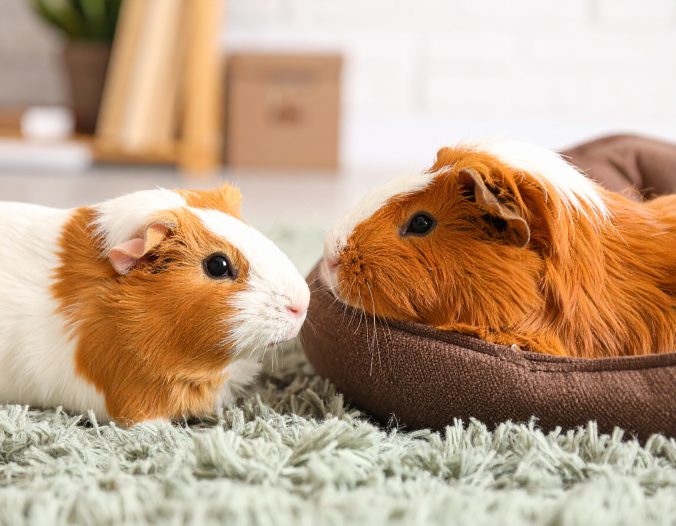
Guinea Pigs 101: What Every New Owner Should Know

Guinea pigs (or cavies) are friendly, vocal, and surprisingly social little animals — but they need more than a cage and a handful of veggies to thrive. If you’re considering bringing home these chatty companions, here’s everything a new guinea pig owner should know.


1. Guinea Pigs Need Friends

Guinea pigs are highly social and should never live alone. In fact, it’s illegal to keep a single guinea pig in some countries.

The fix:

  • Keep them in pairs or small groups (same sex or neutered).
  • Introduce them gradually to avoid fighting — some pigs need “bonding sessions.”

2. Bigger Is Better for Housing

Those tiny cages from pet shops? Nowhere near enough.

The fix:

  • Aim for at least 120x60cm for two guinea pigs (bigger is always better).
  • Consider C&C cages (grid and coroplast setups) or large playpens for flexible, affordable housing.
  • Line with fleece bedding (soft, washable) or thick layers of paper-based bedding.

3. Hay Is Non-Negotiable

Hay isn’t just food — it’s essential for dental and digestive health.

The fix:

  • Provide unlimited timothy or meadow hay.
  • Top up daily and use a hay rack to keep it clean.

4. A Fresh, Balanced Diet

Pellets alone won’t cut it. Guinea pigs need fresh vegetables every day and can’t produce their own vitamin C.

The fix:

  • Offer guinea pig-specific pellets fortified with vitamin C.
  • Add daily fresh greens like bell peppers, kale, and coriander.
  • Avoid iceberg lettuce and limit sugary fruits.

5. Handling with Care

Guinea pigs can be nervous at first, but gentle handling builds trust.

The fix:

  • Support their entire body (never grab by the scruff).
  • Sit on the floor for safe handling sessions.
  • Speak softly — guinea pigs respond to calm voices.

6. They Need Enrichment & Exercise

Cavies love to explore, chew, and hide.

The fix:

  • Provide tunnels, hideouts, chew toys, and floor time in a safe space.
  • Create a variety of textures and levels for them to explore.

7. Vet Care Is Important

Regular check-ups matter — guinea pigs are prone to dental issues and vitamin deficiencies.

The fix:

  • Find an exotic vet experienced with small animals.
  • Watch for weight loss, drooling, or changes in behaviour.

The Joy of Guinea Pigs

Guinea pigs may be small, but they bring huge personalities into your home — from their adorable “popcorning” jumps to their endless chatter. With proper housing, a balanced diet, and companionship, you’ll give them a life full of comfort and care.

Want more? Stay tuned for our guides on DIY guinea pig toys, safe veggies & treats, and how to bond with your cavies.
Hamster Care Mistakes to Avoid (and What to Do Instead)

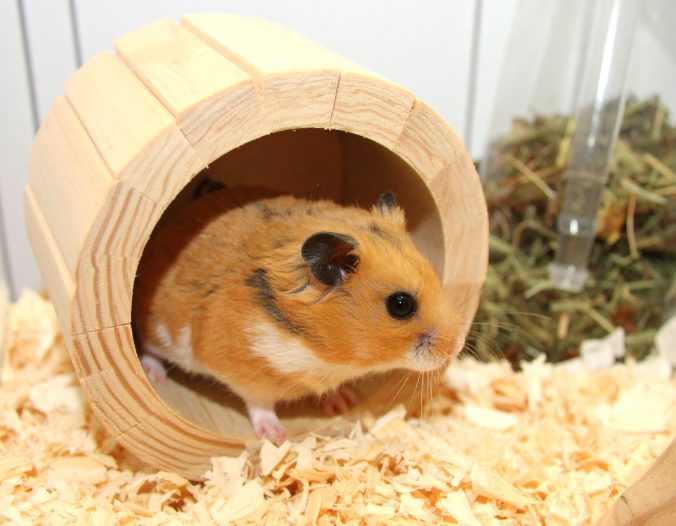
Hamsters might be small, but their care needs are often misunderstood. Sadly, outdated advice and pet shop myths mean many hamsters don’t get the housing, diet, or enrichment they deserve.

If you’re a new hamster owner (or thinking of becoming one), here are the most common hamster care mistakes — and what to do instead.


1. Using a Cage That’s Too Small

The mistake: Many shop-bought hamster cages are far too small, leaving your hamster stressed and bored.

The fix:

  • Aim for at least 80x50cm of unbroken floor space (bigger is always better).
  • Consider aquarium tanks or large DIY bin cages for a budget-friendly upgrade.

2. Inadequate Bedding Depth

The mistake: A thin layer of wood shavings. Hamsters are natural burrowers — they need to dig!

The fix:

  • Provide 20cm+ of safe bedding (paper-based or aspen shavings).
  • Spot-clean instead of fully changing bedding to preserve their scent trails.

3. Using the Wrong Wheel

The mistake: Tiny, squeaky wheels that make hamsters arch their backs unnaturally.

The fix:

  • Choose a wheel at least 20cm for dwarf hamsters, 28cm for Syrians.
  • Go for solid running surfaces (not rungs or mesh) to protect their feet.

4. Feeding Only Seed Mixes

The mistake: Relying on sugary seed mixes that encourage selective eating.

The fix:

  • Use a high-quality hamster pellet as the main diet.
  • Supplement with small amounts of fresh vegetables and occasional protein (like mealworms or boiled egg).

5. Skipping Enrichment

The mistake: Giving hamsters just a wheel and calling it a day.

The fix:

  • Add tunnels, chew toys, platforms, and foraging opportunities.
  • Scatter-feed pellets to encourage natural behaviours.

6. Not Handling Gently (or at All)

The mistake: Grabbing your hamster or avoiding handling because they’re “too small to bother.”

The fix:

  • Let them get used to your scent before handling.
  • Scoop them up with two hands or use a “cup” for nervous hamsters.
  • Keep handling sessions short and stress-free.

7. Housing Multiple Hamsters Together

The mistake: Thinking hamsters need friends. Most are strictly solitary (especially Syrians).

The fix:

  • House hamsters individually to prevent fights and stress.

Happy Hamster, Happy Owner

With the right housing, diet, and enrichment, hamsters can thrive and become delightful little companions. Avoid these common mistakes, and you’ll set your hamster up for a happy, healthy life.

Want more? Don’t miss our upcoming guides on DIY hamster toys, safe vegetables for hamsters, and creating a hamster-friendly habitat.

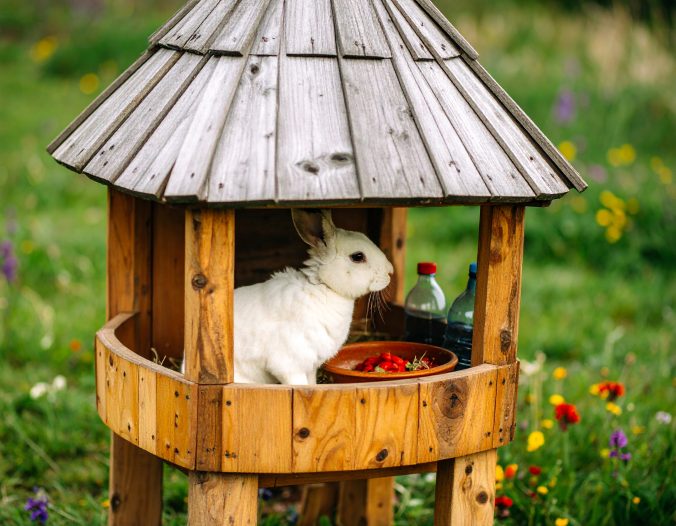
A Beginner’s Guide to Caring for Rabbits (Housing, Diet, and Play)

Rabbits are intelligent, affectionate animals that can make wonderful companions — but they need more than a hutch and a handful of carrots. If you’re a first-time rabbit owner, understanding their needs is essential for keeping them healthy and happy.

Here’s our beginner-friendly guide to caring for rabbits, covering housing, diet, and enrichment.


Housing: More Than Just a Hutch

Rabbits need space to hop, stretch, and explore. Traditional hutches are often too small for full-time living.

Best setup:

  • Indoor housing: Large playpens or “rabbit-proofed” rooms give your rabbit freedom and safety.
  • Outdoor housing: A spacious, predator-proof hutch connected to a secure run.

Key requirements:

  • At least 3–4 times the length of your rabbit for their enclosure.
  • Solid flooring (avoid wire-bottomed cages).
  • A safe hiding spot for when they want privacy.

Diet: What Rabbits Really Need

A rabbit’s diet should be mostly fresh hay — it keeps their teeth and digestive system healthy.

Daily essentials:

  • Hay: Unlimited access to good-quality timothy or meadow hay.
  • Fresh greens: A mix of leafy vegetables like romaine lettuce, coriander, or dandelion leaves.
  • Pellets: A small amount of high-quality rabbit pellets (avoid mixes with added seeds or coloured bits).
  • Fresh water: Always available in a bowl or bottle.

Avoid: Iceberg lettuce, sugary treats, and too many carrots (they’re high in sugar).


Companionship & Social Needs

Rabbits are social animals. They thrive in pairs or groups — ideally bonded, neutered rabbits. A lone rabbit may become bored or depressed without proper interaction.

If you can’t keep two, spend plenty of time interacting daily through gentle play, grooming, and hand-feeding.


Enrichment: Play and Exploration

A bored rabbit is a destructive rabbit. Provide:

  • Tunnels & hideouts: Cardboard boxes, rabbit-safe tubes.
  • Chew toys: Untreated wood, willow balls, or cardboard.
  • Digging boxes: Filled with safe soil or shredded paper for natural behaviours.

Let your rabbit explore under supervision in a safe, enclosed space — indoors or in a secure garden run.


Healthcare Basics

  • Neutering: Prevents unwanted litters and reduces behavioural issues.
  • Vaccinations: In the UK, rabbits need protection against Myxomatosis and RHD.
  • Regular vet visits: For nail trims, dental checks, and general health assessments.

Building Trust

Rabbits are prey animals, so they may be nervous at first. Sit quietly near them, let them approach you, and avoid sudden movements. Over time, your rabbit will learn you’re a source of safety and treats!


The Joy of Rabbits

Caring for a rabbit is a big commitment, but it’s also deeply rewarding. With the right housing, a balanced diet, and plenty of enrichment, your rabbit can live a healthy, happy life — and bring a lot of joy to yours.

Want more? Check out our upcoming guides on rabbit bonding, DIY rabbit toys, and rabbit-proofing your home.

© 2026 Pet Town

Theme by Anders Norén — Up ↑