Category: Dogs

How to Choose the Best Dog-Friendly UK Holiday Destinations

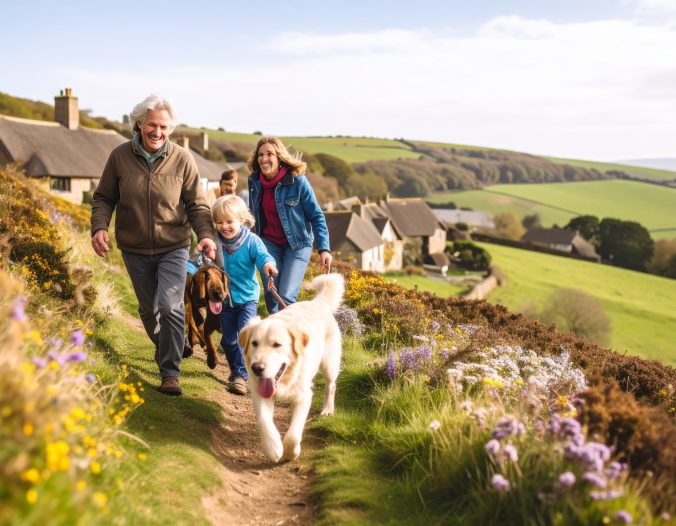
Holidays are even better when your four-legged friend can join the adventure — but planning a trip with your dog takes a little extra thought. Luckily, the UK has plenty of dog-friendly destinations that make tails wag and owners smile. Whether you’re dreaming of coastal walks, cosy countryside cottages, or bustling city breaks, here’s how to pick the perfect spot for you and your pup.


1. Think About Your Dog’s Personality and Needs

Every dog is different.

  • Energetic breeds like Collies or Spaniels will love open spaces for long walks — the Lake District, Scottish Highlands, and Wales’ Snowdonia are fantastic choices.
  • Older dogs or small breeds may prefer shorter strolls and a quieter pace, making a cottage in the Cotswolds or a seaside stay in Cornwall ideal.

Consider your dog’s energy levels, health, and temperament when deciding where to go. A nervous rescue dog, for instance, may be happier in a peaceful rural location than a busy city break.


2. Look for Dog-Friendly Accommodation

Not all “pet-friendly” stays are created equal. When booking, check:

  • Are dogs allowed indoors? (Some places restrict pets to outdoor areas.)
  • Is there an enclosed garden? Great for safe off-lead time.
  • Are there extra fees or rules? Some places charge per dog or have size/breed restrictions.

Websites like Canine Cottages, PetsPyjamas, and Sykes Cottages specialise in dog-friendly holidays across the UK, making it easy to filter by your needs.


3. Check Local Walks and Attractions

A dog-friendly holiday isn’t just about where you stay — it’s about what you can do together. Look for destinations with:

  • Beaches with dog-friendly access (check seasonal restrictions, especially in summer).
  • Scenic walking trails like the South West Coast Path, Yorkshire Dales, or Peak District.
  • Pubs and cafés that welcome dogs, so you can relax together after a long walk.

If you’re visiting a national park, research lead rules and dog-safe areas in advance.


4. Prepare for the Weather (It’s the UK!)

British weather can be unpredictable — especially if you’re heading for the coast or mountains. Pack for all seasons:

  • Towels for muddy paws and wet fur.
  • Dog coats or jumpers for cooler months.
  • Plenty of water and portable bowls for warmer days.

Also, check whether your accommodation has drying facilities for those inevitable rainy walks.


5. Prioritise Safety and Comfort

Holidays should be fun, not stressful. Make sure your dog is:

  • Up to date with vaccinations and flea/worm treatments.
  • Microchipped with your current contact details.
  • Wearing an ID tag with your holiday address/number if possible.

If your dog gets car sick or anxious about travel, talk to your vet before setting off.


Top Dog-Friendly UK Destinations

Need inspiration? Here are some tried-and-tested favourites:

  • Cornwall – Miles of dog-friendly beaches and coastal paths.
  • The Lake District – Perfect for adventurous pups who love long hikes.
  • The Cotswolds – Quaint villages and plenty of dog-welcoming pubs.
  • Northumberland – Vast beaches and historic castles to explore.
  • Scottish Highlands – Remote, breathtaking landscapes for a true escape.

Final Woof:
With a little planning, taking your dog on holiday can be a wonderful experience for both of you. From sandy paws on Cornish beaches to scenic hikes in the Lake District, the UK is full of tail-wagging adventures waiting to be discovered.
How to Socialise Your Dog: A Step-by-Step Guide

A well-socialised dog is a happy dog — confident in new situations, calm around other animals, and relaxed when meeting strangers. But socialisation doesn’t just happen on its own. It’s a process, especially for puppies or dogs who’ve had limited exposure to the world.

Whether you’re starting with a new puppy or helping a rescue adjust, this step-by-step guide will help you socialise your dog safely and effectively.


Why Socialisation Matters

Socialisation teaches dogs to cope with new experiences. Without it, they can become fearful, anxious, or even reactive when faced with unfamiliar people, animals, or environments.

The goal isn’t to make your dog love everyone and everything — it’s to help them feel safe and confident when encountering something new.


Step 1: Start Early (But It’s Never Too Late)

The best window for socialising puppies is between 3 and 16 weeks of age. But if you have an older dog, don’t worry — you can still make progress. Go at their pace, keep sessions short, and use positive reinforcement.


Step 2: Introduce New Experiences Gradually

Think of socialisation as building a “library” of experiences for your dog. Start with simple things:

  • Different sounds (vacuum cleaner, traffic, children playing)
  • New surfaces (grass, gravel, hardwood floors)
  • Gentle handling by different people

Keep it calm and positive. Don’t overwhelm them with too much at once.


Step 3: Positive Encounters with People & Animals

Introduce your dog to people of different ages, genders, and appearances. Arrange controlled meet-ups with calm, vaccinated dogs to practice polite greetings.

Tip: Always reward your dog with praise or treats for calm behaviour.


Step 4: Take Short Outings

Once your vet gives the green light, start taking your dog to safe public places — quiet parks, pet-friendly shops, or a dog café. Build up to busier environments slowly.


Step 5: Use Rewards & Keep Sessions Short

Socialisation should be fun. Use high-value treats, toys, or praise to create positive associations. Stop before your dog becomes overwhelmed — short, frequent sessions are more effective than one long one.


Step 6: Watch for Signs of Stress

Panting, yawning, lip licking, or cowering can mean your dog is anxious. If you see these signs, step back and give them space. Never force interactions.


Step 7: Keep It Going

Socialisation isn’t just for puppies — it’s lifelong. Continue exposing your dog to new experiences throughout their life to maintain their confidence.


Socialisation Takes Time

Every dog is different. Some may adapt quickly, while others need more patience. Go at your dog’s pace and focus on creating positive experiences. Over time, you’ll build a calm, confident, and well-adjusted companion.

Want more help? Stay tuned for our upcoming guides on puppy classes, overcoming fear-based behaviours, and fun social games for dogs.

Dog Socialisation Checklist

Use this checklist to track your dog’s progress. Go at their pace, reward calm behaviour, and tick off new experiences as they go:

People

  • Men, women, and children of different ages
  • People wearing hats, glasses, or masks
  • People using mobility aids (wheelchairs, walking sticks)

Environments

  • Quiet parks and walking paths
  • Busier streets with light traffic
  • Pet-friendly shops or cafés
  • Car journeys (short and long)

Sounds

  • Vacuum cleaner or hair dryer
  • Doorbell and knocking
  • Traffic noises (cars, bikes, buses)
  • Children playing or shouting

Other Animals

  • Calm, vaccinated dogs of different sizes
  • Cats (from a safe distance)
  • Small animals (rabbits, birds) if safe to do so

Handling

  • Gentle touching of paws, ears, and tail
  • Brushing and grooming
  • Wearing a harness or coat

Tip: Don’t rush. A positive association with just a few of these per week is far better than overwhelming your dog with too much at once.

The Best Enrichment Toys for Dogs (That Really Work)

Bored dogs can quickly become destructive dogs. Whether it’s chewing your furniture or digging up the garden, unwanted behaviour often comes from one thing: not enough mental stimulation. That’s where enrichment toys come in.

These clever toys keep your dog busy, challenge their brain, and help burn off extra energy — even when you can’t be there to entertain them. We’ve rounded up the best dog enrichment toys that actually work, tested and loved by owners across the UK.


1. Kong Classic

If you only buy one enrichment toy, make it this. The Kong Classic is a rubber toy you can stuff with treats, kibble, or even frozen peanut butter for a longer-lasting challenge. It’s durable, dishwasher-safe, and great for dogs of all ages.

Why it works: Encourages licking and chewing, which can be calming for anxious dogs.


2. Lick Mats

Perfect for spreading soft treats like peanut butter, dog-safe yoghurt, or wet food. Lick mats slow down eating and keep your dog occupied for longer than a normal bowl. Pop them in the freezer for an extra challenge on hot days.

Why it works: Provides sensory stimulation and helps with portion control for fast eaters.


3. Snuffle Mats

Hide dry food or treats among the fabric “grass” of a snuffle mat and watch your dog sniff them out. This simple toy taps into your dog’s natural foraging instincts and can be used at mealtimes to slow down eating.

Why it works: Encourages natural scent work, which is mentally tiring and satisfying.


4. Puzzle Feeders

From sliding tiles to rotating compartments, puzzle feeders make your dog work for their treats. Start with beginner puzzles, then move up to more complex designs as your dog learns.

Why it works: Keeps smart dogs engaged and helps prevent boredom.


5. Rope Toys for Interactive Play

Not all enrichment is solo play. Rope toys are great for games like tug-of-war, which combine exercise, bonding, and training (with a good “drop it” command thrown in).

Why it works: Builds connection between you and your dog while offering physical and mental stimulation.


6. Treat-Dispensing Balls

Load these toys with kibble or small treats, and your dog has to roll and nudge the ball to get them out. They’re perfect for keeping dogs busy when you’re working or need a break.

Why it works: Combines problem-solving with physical play.


Choosing the Right Enrichment Toy

Every dog is different. Consider your dog’s size, breed, and chewing style when picking toys. Always supervise playtime (especially with new toys), and rotate them regularly to keep things fresh.


Why Enrichment Toys Matter

Mental stimulation is just as important as physical exercise. A few well-chosen toys can reduce anxiety, improve behaviour, and make your dog’s day far more interesting.

Want more ideas? Check out our upcoming guides on DIY dog enrichment and indoor games for dogs.


Meta Description:
Bored dog? These 6 enrichment toys will keep your pup happy, mentally stimulated, and out of trouble. From Kongs to puzzle feeders, here’s what really works.

First-Time Puppy Owners: 10 Tips to Survive the First Month

Bringing home a puppy for the first time? It’s exciting, chaotic, and (let’s be honest) a little overwhelming. The first month is when you set the foundations for training, socialisation, and a happy life together.

If you’re a first-time puppy owner, these 10 essential tips will help you survive those early weeks and build a great relationship with your new furry friend.


1. Puppy-Proof Your Home

Before your new puppy sets paw inside, do a safety sweep. Hide electrical cords, secure bins, keep toxic plants and cleaning products out of reach, and put away anything you don’t want chewed.
(Coming soon: [Our full guide to puppy-proofing your home])


2. Create a Safe Puppy Space

A crate or playpen can be a lifesaver for new owners. It gives your puppy a cosy, secure place to rest and keeps them out of trouble when you can’t watch them. Add a soft bed, safe chew toys, and a blanket that smells like you to help them settle.


3. Stick to a Consistent Routine

Puppies thrive on routine. Set regular times for feeding, toilet breaks, play, and naps. This makes them feel secure and makes toilet training far easier.


4. Begin Toilet Training Immediately

Take your puppy outside frequently — especially after meals, naps, and playtime — and reward them the moment they go. Positive reinforcement works wonders; avoid punishment as it can cause fear and confusion.
(Coming soon: [Step-by-step toilet training guide for puppies])


5. Provide Plenty of Chew Toys

Puppies explore with their mouths. Offer plenty of safe chew toys to protect your furniture (and fingers!). Rotating toys every few days keeps things interesting.


6. Start Socialisation Early

Once your vet gives the go-ahead, gently introduce your puppy to new people, places, sounds, and other dogs. Proper puppy socialisation helps prevent fear and behavioural issues later in life.


7. Focus on Positive Training

Keep training sessions short (5–10 minutes) and fun. Reward with treats, toys, and praise. Start with basic commands like “sit,” “stay,” and “come.” At this stage, you’re building trust as much as teaching commands.
(Coming soon: [Beginner’s guide to puppy training])


8. Book a Vet Check-Up

Your first month should include a vet visit for vaccinations, a health check, and advice on flea/worm prevention. Bring any questions you have about feeding, growth, or behaviour — it’s a great time to get professional reassurance.


9. Ease Night-Time Whining

Sleeping alone can be scary for a new puppy. Try placing their bed or crate near your room at first for comfort. Gradually move them to their permanent spot once they’re more settled.


10. Be Kind to Yourself

New puppy care can be exhausting! Take breaks when you can, ask for help, and celebrate small wins (like the first successful toilet trip outside). Remember — this stage doesn’t last forever.


FAQs: First-Time Puppy Owner Questions

How often should I take my puppy outside for toilet breaks?
At least every 1–2 hours during the day, and always after meals, naps, or playtime.

When should I start training my puppy?
Right away! Even young puppies can learn simple commands like “sit” and “come.”

When can my puppy go outside for walks?
Usually after their vaccinations are complete (your vet will advise), but you can start early socialisation by carrying them outdoors to get used to sights and sounds.


The First Month is Just the Beginning

Being a first-time puppy owner can feel overwhelming, but with patience and consistency, you’ll soon find your rhythm. These early weeks are all about building trust, teaching good habits, and creating a lifelong bond with your dog.

Looking for more advice? Explore PetTown for upcoming guides on puppy training, crate setup, socialisation, and first-year essentials.

© 2026 Pet Town

Theme by Anders Norén — Up ↑