
Category: Birds

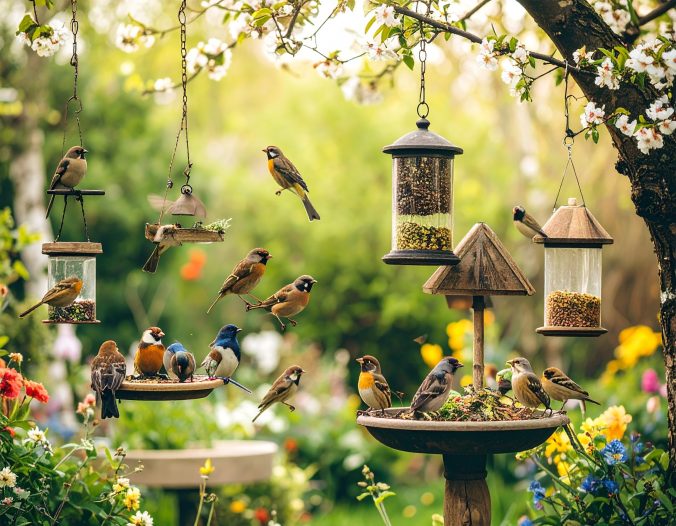
How to Make Your Garden a Haven for Wild Birds All Year Round

There’s something magical about hearing birdsong in your garden or spotting a flash of colour at the feeder. Whether you live in the city or countryside, you can turn your outdoor space into a safe, welcoming sanctuary for wild birds — and enjoy the reward of seeing nature thrive right on your doorstep.

Here’s how to make your garden bird-friendly all year round, no matter the size of your space.


1. Provide Food All Year, Not Just in Winter

Many people put food out for birds in winter, but they need support throughout the year — especially during spring (breeding season) and autumn (when they’re building up energy for colder months).

What to offer:

  • Winter: High-energy foods like suet balls, sunflower hearts, and peanuts.
  • Spring & Summer: Seed mixes, mealworms, and soft fruits.
  • Autumn: Fat-rich foods to help birds prepare for colder weather.

Always use bird-safe feeders and clean them regularly to prevent disease.


2. Create Safe Nesting and Shelter Spots

A bird-friendly garden isn’t just about food — it’s about safety.

  • Put up nesting boxes for species like blue tits, robins, and sparrows.
  • Plant shrubs and hedges for natural shelter (hawthorn, holly, and ivy are excellent choices).
  • Leave some wild corners — long grass or log piles provide cover and attract insects, which are a vital food source.

3. Offer a Fresh Water Source

Birds need water for drinking and bathing, even in winter.

  • Add a bird bath — it can be as simple as a shallow dish.
  • Top up regularly and break ice in cold weather.
  • Place it near cover (like shrubs), so birds feel safe when using it.

4. Grow Bird-Friendly Plants

Your planting choices can make a big difference:

  • Berry-producing plants: Rowan, elder, and cotoneaster provide natural food.
  • Wildflowers: Attract insects, which many birds rely on.
  • Seed-head plants: Sunflowers and teasels give birds extra feeding options.

Native plants tend to be the best choice for supporting local wildlife.


5. Avoid Chemicals

Pesticides and herbicides can harm birds directly or by killing off their food sources (insects). Instead:

  • Opt for organic pest control like companion planting.
  • Accept a bit of “wildness” — it’s better for the ecosystem.

6. Keep Cats and Predators in Mind

If you have cats, try:

  • Using bell collars to warn birds.
  • Positioning feeders high and away from ambush points like fences or dense shrubs.

Seasonal Checklist

  • Spring: Provide nesting materials (like pet-safe wool or twigs) and high-protein food.
  • Summer: Keep water topped up and shaded.
  • Autumn: Add berry plants and put out fat-rich foods.
  • Winter: Feed regularly and break ice on bird baths.

Final Thought:
Creating a bird-friendly garden doesn’t require a huge space or budget. With a few thoughtful changes — from feeders and nesting boxes to safe planting — you’ll soon have a garden buzzing with birdlife all year round. It’s good for the birds, great for the planet, and endlessly rewarding for you.
5 Fun DIY Toys to Keep Your Pet Bird Entertained

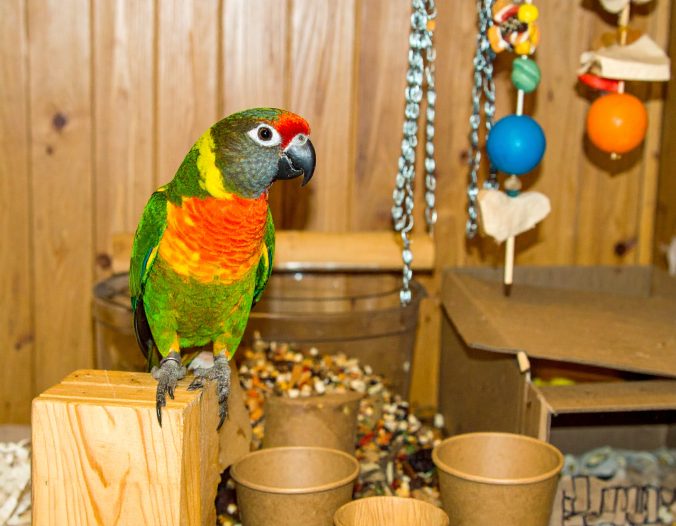
Birds are smart, curious, and easily bored — which can lead to feather plucking, screaming, or destructive behaviour. But you don’t have to spend a fortune on store-bought toys to keep them happy.

With a little creativity, you can make DIY bird toys that are safe, stimulating, and tailored to your feathered friend’s personality.

Here are five easy bird toy ideas you can make at home.


1. Foraging Cups

What you need:

  • Paper cupcake cases or small paper cups
  • Bird-safe treats or pellets

How to make it:

  • Place a small treat in each cup.
  • Twist or fold the top so your bird has to rip it open.
  • Hang them in the cage or scatter them for floor play.

Why it works: Birds love tearing paper and “working” for their food, mimicking natural foraging.


2. Shreddable Paper Chains

What you need:

  • Bird-safe paper or untreated cardboard strips
  • Non-toxic paper glue or just fold them through

How to make it:

  • Loop strips together like a paper chain.
  • Hang it at different cage levels for your bird to shred.

Why it works: Great for beak exercise and boredom-busting.


3. Wooden Block Danglers

What you need:

  • Untreated wooden blocks (or natural wood chunks)
  • Bird-safe rope or sisal
  • Beads (plastic or wood)

How to make it:

  • Drill small holes in the blocks (if needed).
  • Thread onto rope, adding beads or knots for variety.
  • Hang from the top of the cage.

Why it works: Encourages climbing, chewing, and problem-solving.


4. Cardboard Foraging Box

What you need:

  • A small cardboard box (like a tissue box)
  • Scrunched-up paper
  • Treats

How to make it:

  • Fill the box with paper and hide treats inside.
  • Cut small holes to make it trickier.

Why it works: A fun digging and searching activity for your bird.


5. Vegetable Skewer

What you need:

  • Stainless steel bird-safe skewer
  • Chunks of fresh vegetables (like bell peppers, carrots, or broccoli)

How to make it:

  • Thread the vegetables onto the skewer.
  • Hang it in the cage at perch level.

Why it works: Turns feeding into an interactive, engaging experience.


Safety First

  • Always use bird-safe materials (no treated wood, toxic metals, or adhesives).
  • Supervise new toys to ensure your bird interacts with them safely.
  • Rotate toys regularly to keep things fresh and interesting.

Affordable Fun for Happy Birds

DIY toys are a cost-effective way to keep your bird mentally and physically stimulated. Plus, making them can be a fun project for you!

Want more ideas? Check out our upcoming guides on training games for parrots, homemade foraging puzzles, and best enrichment activities for budgies.

Setting Up the Perfect Cage for Budgies & Parrots

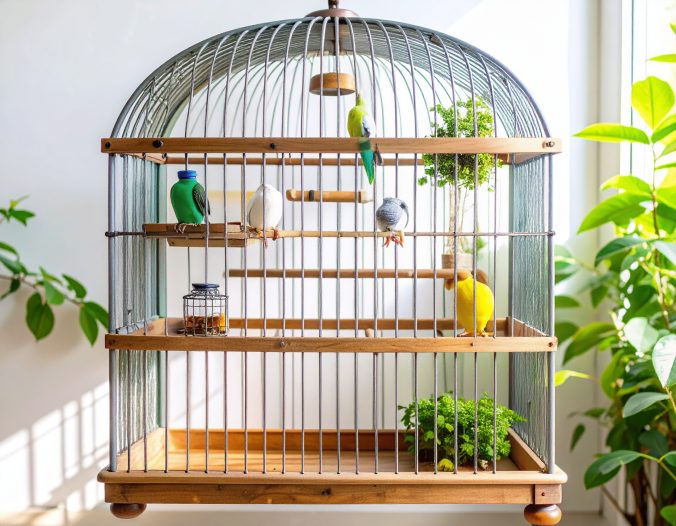
A cage isn’t just somewhere to keep your bird — it’s their home, playground, and safe space. Whether you’re welcoming a budgie or a parrot, setting up the right cage is essential for their health, happiness, and enrichment.

Here’s how to create a safe, stimulating environment for your feathered friend.


1. Choose the Right Size

When it comes to bird cages, bigger is always better.

Minimum guidelines:

  • Budgies: At least 18x18x24 inches for a pair.
  • Small parrots (like conures): At least 24x24x30 inches.
  • Always opt for horizontal space — birds need room to fly side to side.

Tip: Even with a big cage, daily out-of-cage time is essential for exercise and socialisation.


2. Bar Spacing & Safety

  • Budgies: Bar spacing of 0.4–0.5 inches to prevent escapes or injury.
  • Parrots: Spacing varies by species — check recommendations for your bird’s size.

Ensure bars are powder-coated or stainless steel (avoid zinc or lead, which are toxic).


3. Perches: Variety Is Key

Don’t rely on the single dowel perch that comes with most cages.

Add:

  • Natural wood perches (varying thickness to exercise feet).
  • Rope perches for comfort.
  • Flat platforms for resting.

Place perches at different heights, but avoid putting them directly over food/water dishes.


4. Toys & Enrichment

Birds are intelligent and need mental stimulation. Rotate toys regularly to keep things interesting.

Must-haves:

  • Chew toys: For beak health and boredom-busting.
  • Foraging toys: Hide treats to encourage problem-solving.
  • Mirrors & bells: Popular with budgies (but use sparingly).

5. Food & Water Stations

Use sturdy, easily cleaned bowls for food and fresh water. Many owners use separate dishes for pellets, fresh fruit/veg, and water.

Tip: Avoid placing bowls under perches — no one likes droppings in their dinner.


6. Location Matters

  • Place the cage in a bright, busy room where your bird can interact with the household.
  • Avoid kitchens (fumes are dangerous) and drafty windows.
  • Position one side of the cage against a wall for a sense of security.

7. Cleanliness & Maintenance

  • Daily: Replace water, remove droppings, and clean food dishes.
  • Weekly: Wash perches and toys.
  • Monthly: Deep-clean the entire cage.

A Happy Home for a Happy Bird

Your bird’s cage should be more than a holding space — it’s where they play, forage, and feel safe. With the right setup and regular interaction, you’ll create a home that meets their physical and emotional needs.

Want more? Check out our upcoming guides on budgie training tips, DIY foraging toys, and safe fruit & veg for parrots.

© 2026 Pet Town

Theme by Anders Norén — Up ↑