
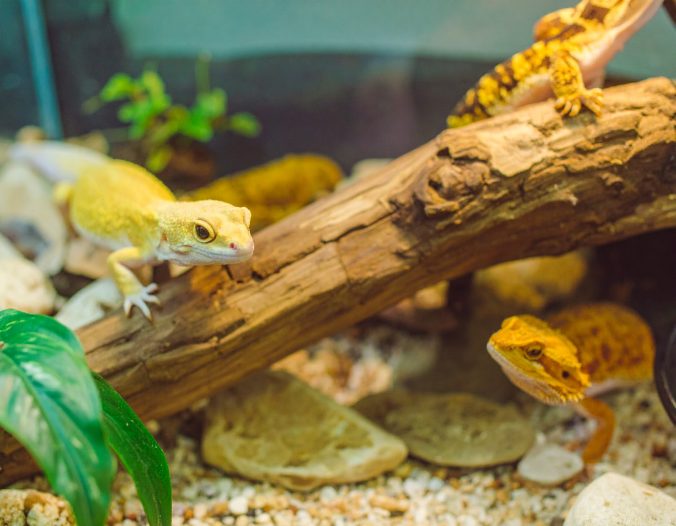
Category: Fish & Reptiles

Beginner-Friendly Reptiles: Which Pet is Right for You?

Reptiles can make fascinating pets — calm, quiet, and often less demanding than furry companions. But with so many species to choose from, which reptiles are best for beginners?

Here’s a guide to some of the most beginner-friendly reptiles, what makes them easy to care for, and what to consider before bringing one home.


1. Leopard Gecko

Why they’re great for beginners:

  • Hardy and tolerant of handling.
  • Simple diet of live insects (like crickets and mealworms).
  • No need for UVB lighting (though it can still be beneficial).

Basic care needs:

  • A 20-gallon tank with a heat mat for belly warmth.
  • Hides for security and a small moist box for shedding.

2. Corn Snake

Why they’re great for beginners:

  • Docile, easy to handle, and rarely aggressive.
  • Wide range of colours and patterns.
  • Straightforward feeding (frozen/thawed rodents).

Basic care needs:

  • A secure 20–40-gallon enclosure.
  • A warm basking area and cool hide for proper thermoregulation.

3. Bearded Dragon

Why they’re great for beginners:

  • Friendly, interactive, and often enjoy gentle handling.
  • Fascinating to watch — full of personality.
  • Omnivorous diet (insects + greens).

Basic care needs:

  • A large tank (at least 40 gallons).
  • Strong UVB lighting and a hot basking spot.

4. Crested Gecko

Why they’re great for beginners:

  • Can live happily in room temperatures (no extra heating needed in many homes).
  • Simple diet — commercial crested gecko food plus occasional insects.
  • Doesn’t require as much space as larger reptiles.

Basic care needs:

  • A vertical terrarium with lots of climbing branches and plants.
  • Humidity maintained with daily misting.

5. Russian Tortoise

Why they’re great for beginners:

  • Small for a tortoise species and hardy in the right conditions.
  • Primarily herbivorous (leafy greens and weeds).
  • Long lifespan (great for committed owners).

Basic care needs:

  • A large indoor or secure outdoor enclosure.
  • Strong UVB lighting and a dry, warm environment.

Things to Consider Before Getting a Reptile

  • Longevity: Some reptiles live 10–20+ years — be ready for the commitment.
  • Diet: Are you comfortable feeding live insects or rodents?
  • Costs: Enclosures, heating, and lighting can be expensive upfront.
  • Handling: Not all reptiles enjoy frequent handling — research species temperament.

The Right Reptile for You

Reptiles can be rewarding, low-noise pets — but they do have specific care needs. Choosing a beginner-friendly species is the first step to a successful reptile-keeping journey.

Want more? Stay tuned for our guides on reptile enclosure setups, feeding basics, and choosing the right heating and lighting.

Aquarium Basics: How to Set Up a Healthy Tank for Beginners

Keeping fish can be incredibly rewarding, but there’s more to it than filling a tank with water and adding fish. A well-planned aquarium provides a safe, stable environment that keeps your fish healthy and thriving.

If you’re just starting out, here’s a step-by-step guide to setting up a beginner-friendly fish tank the right way.


1. Choose the Right Tank Size

It’s tempting to start small, but larger tanks are easier to maintain.

Beginner-friendly sizes:

  • 20–40 litres: Good for a few small fish (like guppies or tetras).
  • 60+ litres: Best for a community setup and easier water stability.

Tip: Avoid “fish bowls.” They’re too small to maintain safe water quality.


2. Select the Right Location

  • Place your tank on a sturdy, level surface.
  • Keep it away from direct sunlight (to prevent algae growth).
  • Avoid high-traffic areas to reduce stress for your fish.

3. Essential Equipment

To create a stable environment, you’ll need:

  • Filter: Keeps water clean and supports beneficial bacteria.
  • Heater: For tropical fish, maintain 24–26°C.
  • Lighting: For viewing and plant growth (if using live plants).
  • Water test kit: To monitor ammonia, nitrite, nitrate, and pH.

4. Cycle Your Tank Before Adding Fish

One of the biggest mistakes beginners make is adding fish too soon.

Cycling means establishing beneficial bacteria that break down waste. This usually takes 3–6 weeks.

How to do it:

  • Set up your tank with water, filter, and heater.
  • Add a source of ammonia (fish food or bottled ammonia).
  • Test regularly until ammonia and nitrite levels drop to 0 and nitrates are present.

5. Add Substrate, Decor & Plants

  • Substrate: Gravel or sand (rinse thoroughly before use).
  • Decor: Hides, caves, or driftwood give fish places to feel secure.
  • Plants: Live plants help maintain water quality and give fish natural enrichment.

6. Stocking Your Tank Safely

  • Research which fish are compatible before buying.
  • Follow the rule of 1 inch of fish per gallon (roughly 2.5cm per litre).
  • Add fish gradually to avoid overwhelming your filter.

7. Maintenance Routine

  • Weekly: Partial water changes (20–30%).
  • Daily: Check fish behaviour and equipment.
  • Monthly: Clean filter media (rinse in tank water, never tap water).

8. Patience Pays Off

A thriving aquarium doesn’t happen overnight. Take your time with cycling, stocking, and maintenance, and you’ll have a beautiful, healthy tank to enjoy for years.

Want more? Stay tuned for our guides on beginner-friendly fish species, easy live plants, and aquarium troubleshooting for common problems.

© 2026 Pet Town

Theme by Anders Norén — Up ↑